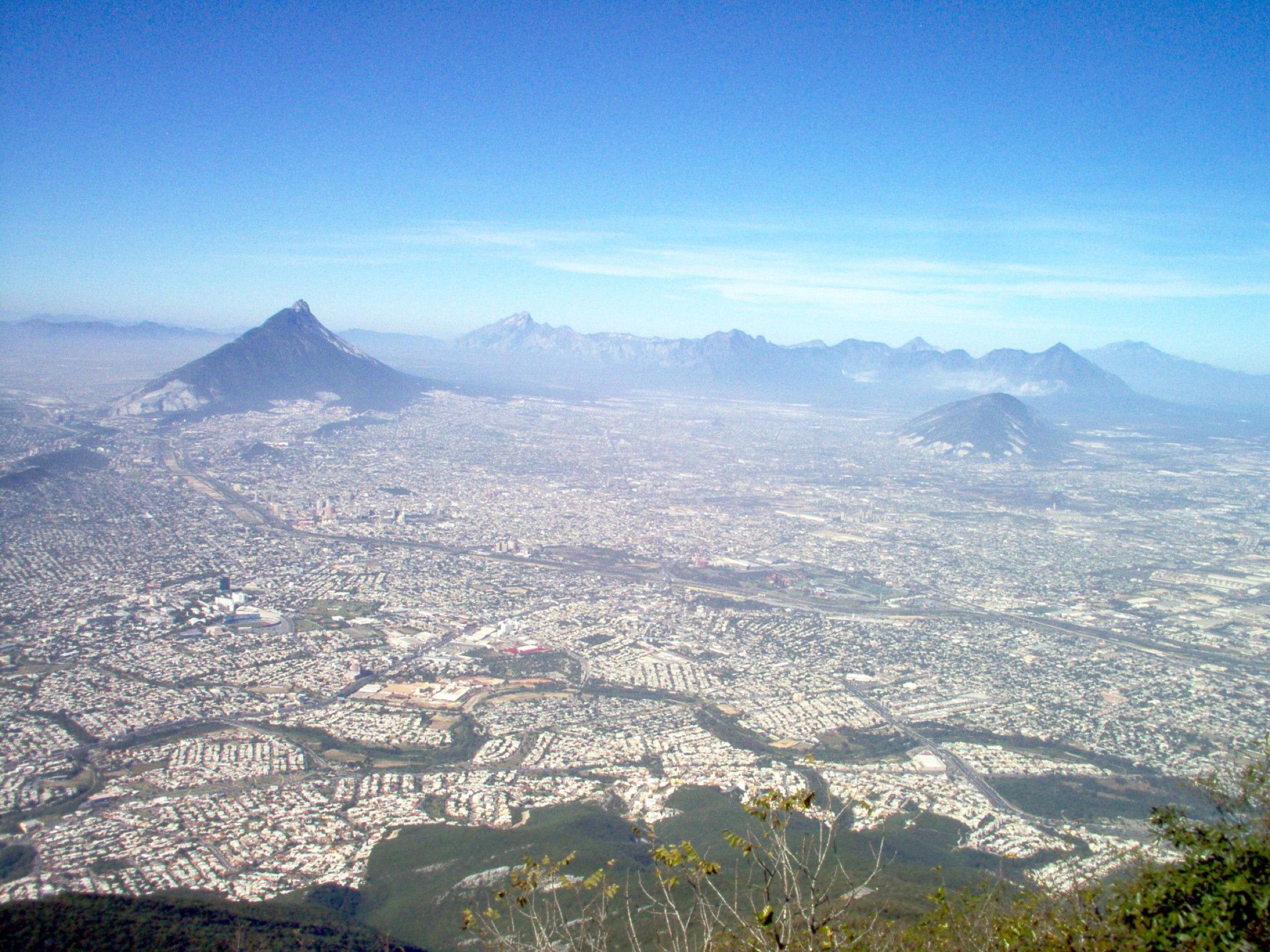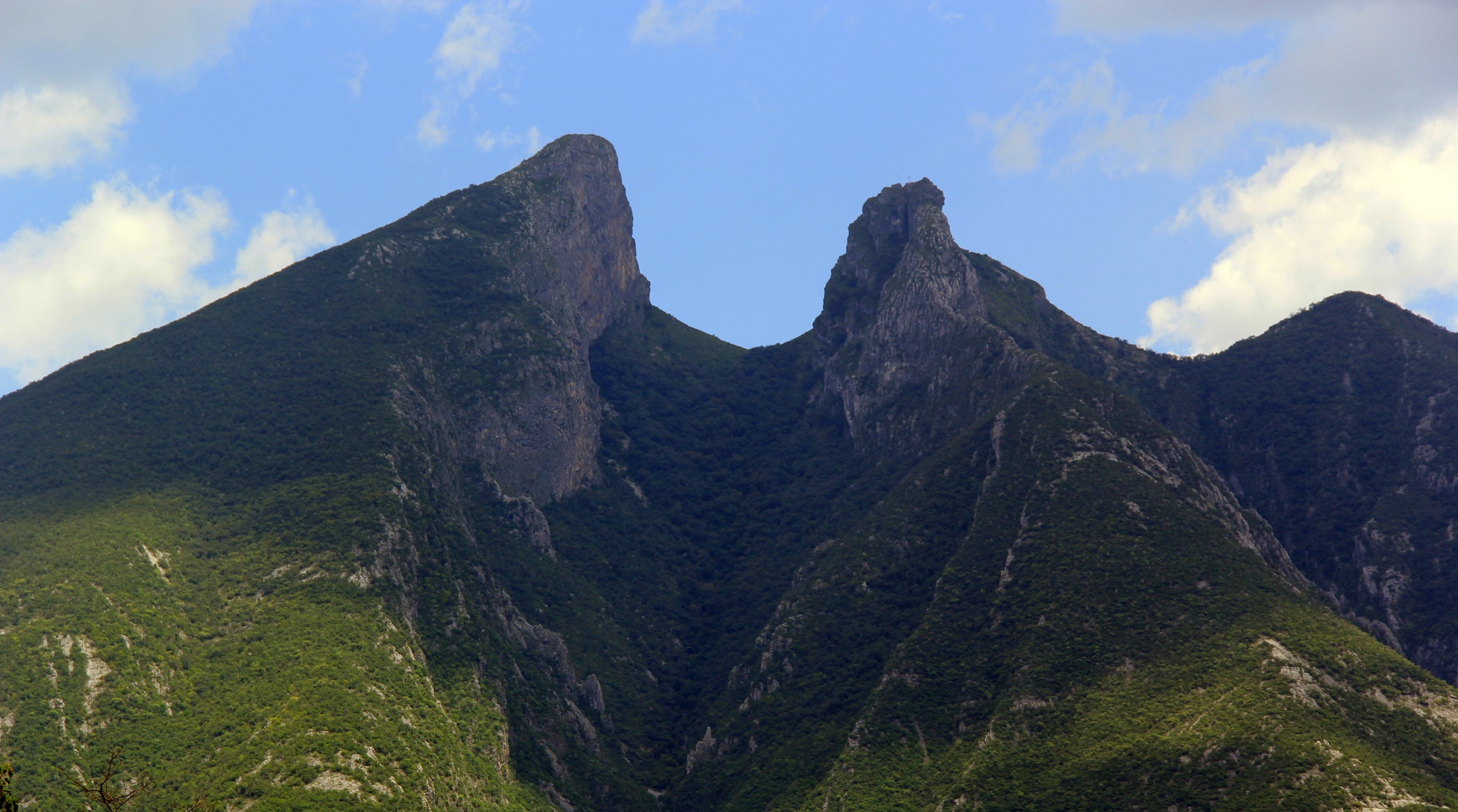
One of the under-told facts about Monterrey is that it is also a base. The city sits at the intersection of three major Sierra Madre subranges, and within ninety minutes of San Pedro you can be in a national park, a colonial mountain town, or a canyon climbers fly in from Europe to scale. A traveler with five days should plan to spend at least two of them outside the metro.
Cola de Caballo and Santiago
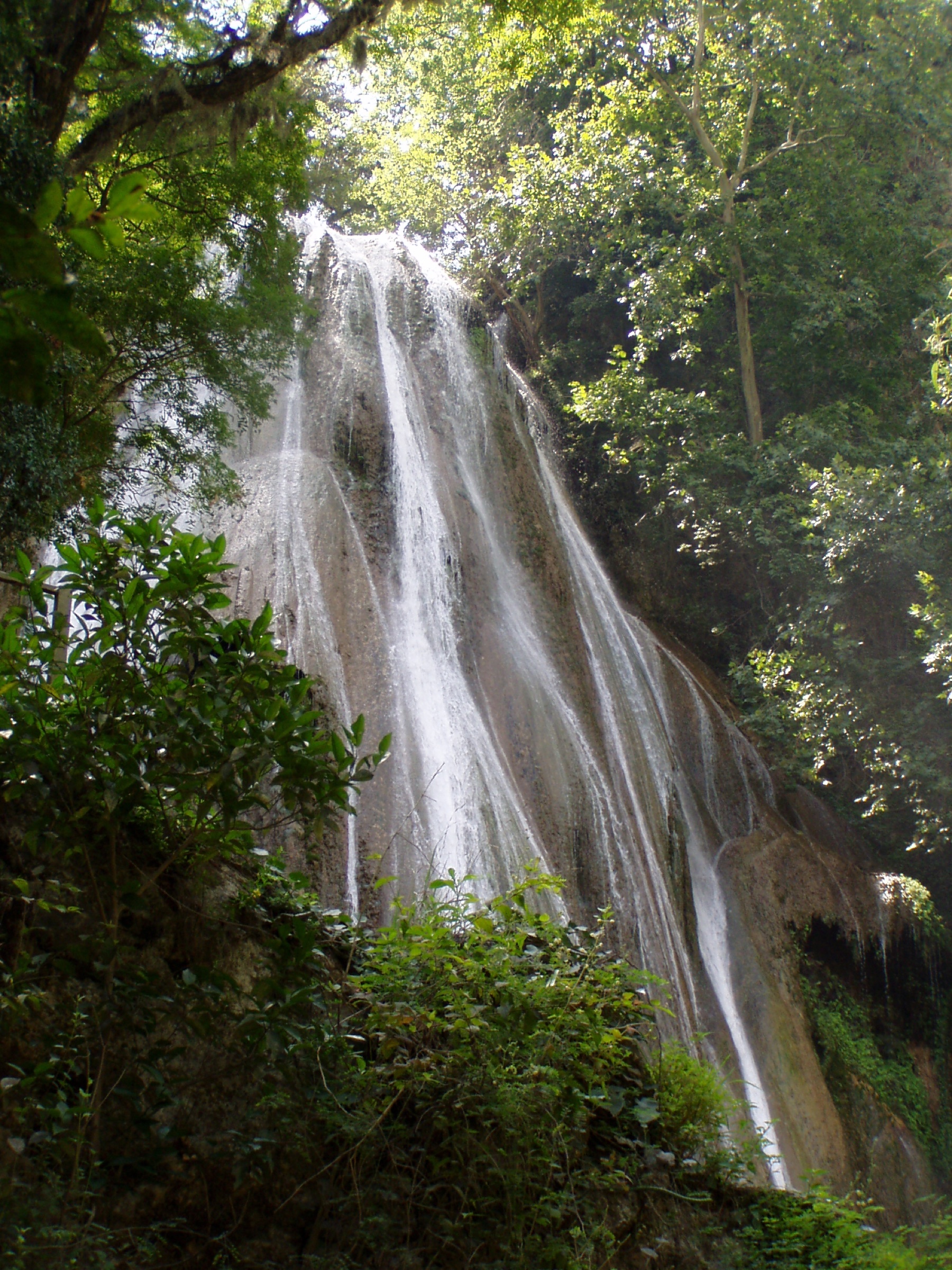
An hour south on Highway 85 brings you to the village of Santiago, a Pueblo Mágico with a cobblestone center, a seventeenth-century church, and a square that fills with families every weekend. The official attraction is Cola de Caballo (Horse’s Tail) Waterfall, a twenty-five-meter cascade ten minutes further into the forest from Santiago. The waterfall is genuinely lovely — ferns, mist, soft light through the canopy — but the village is the reason to come.
The right move is to arrive in Santiago by mid-morning, walk the square, hike to the waterfall in the late morning, then double back for lunch at one of the lakeside restaurants on Presa de la Boca, the reservoir at the edge of town. Catch of the day, cold beer, and a view of the mountains that is genuinely competitive with anywhere in Mexico.
La Huasteca
Twenty minutes from downtown, in Santa Catarina, sits Parque La Huasteca: a five-hundred-meter limestone canyon with red and yellow walls, formed in the Late Jurassic, climbed by a serious international community. You do not need to climb to make the visit worthwhile — driving in slowly and walking the access road in the late afternoon gives you forty minutes of glow as the rock catches the sun.
If you have a guide and reasonable fitness, the canyoneering routes Matacanes and Hidrofobia are inside the broader Cumbres de Monterrey National Park. Matacanes is a twelve-hour route with rappels, slot canyons, and pools you jump into — one of the great one-day adventures in Mexico.
Grutas de García
Forty-five minutes northwest of Monterrey, in the town of García, is a vast limestone cave system with sixteen chambers, accessed by a funicular up the mountain face. The chambers are open to the public on a self-guided walking circuit; the geology is genuinely impressive (one chamber has a column the size of a four-story building). Children love it, adults are surprised by it.
Pair Grutas with lunch in García itself — the gorditas in the town square are some of the best in the region — or with an afternoon drive through Mina, a small hillside town twenty minutes further.
Saltillo
An hour west on Highway 40D, Saltillo is the capital of Coahuila, smaller and more sedate than Monterrey, at a higher elevation (so the weather is milder year-round), and built around a colonial Centro with one of the best cathedrals in northern Mexico. The food is different — café pané, Saltillo’s version of the regional bread; asado de boda, a slow-cooked beef stew with chocolate; sarape textiles that are the original of what most tourist markets sell. Day trip or overnight, both work.
Saltillo is the right addition if you have already done the obvious Monterrey day trips and want something with more colonial texture.
Real de Catorce
Four and a half hours south, in the high desert of San Luis Potosí, sits Real de Catorce, an abandoned silver-mining town at nine thousand feet that has been partially reoccupied as a Pueblo Mágico. The drive is the experience: highway, then mountain road, then a single-lane tunnel through living rock that takes ten minutes to traverse and exits into the town from below. Real is half-ruined, beautiful, eerie, and unforgettable. Stay overnight if you can; it is too far for a true day trip but it is worth the time.
Potrero Chico
One hour north, in the town of Hidalgo, Potrero Chico is the most important sport-climbing destination in Mexico. Six hundred routes, single and multi-pitch, on vertical limestone walls reaching three hundred meters. Even if you do not climb, the canyon itself is dramatic — especially in the late afternoon when the walls turn gold.
If you do climb, do not day-trip; stay at one of the climbers’ lodges in town. If you do not climb, do day-trip, and bring a camera.
The dedicated guide to the Monterrey-area parks is at monterreyparks.com. For the wider urban-park system including Centro’s historic plazas, jardinesdemonterrey.com.
Cumbres de Monterrey National Park
The umbrella designation for much of the Sierra Madre Oriental immediately around the city. It contains Chipinque, La Huasteca, the Matacanes canyon system, and several other parts you only reach by long hike. If you are visiting the parks individually you will not need to know the umbrella name; if you are reading the geography seriously, it helps to know the broader category.
A note on what gets skipped
Tourist guides occasionally list the Estación General Anaya (an old railway station), the Cerro de la Silla observation deck, and the Pase del Norte tour as essential day trips. They are fine, but they are not in the same category as Cola de Caballo, Saltillo, or Real. With a limited number of days, prioritize the canyon, the colonial town, and the desert silver town in roughly that order.