Monterrey is the easiest large Mexican city to reach from the United States. The airport is small, well-run, and direct-served from a dozen American hubs. The land border is two and a half hours away, with a faster crossing the maps will not show you by default. The bus from Mexico City takes a night and lands you fresh.
Flying: airport, terminals, the airline question
Aeropuerto Internacional General Mariano Escobedo (MTY) sits in Apodaca, twenty-five minutes from San Pedro on the toll road and forty minutes in traffic. Two terminals: Terminal A for Aeroméxico, Volaris, and most international carriers; Terminal B for Viva Aerobus. They are connected by a free shuttle, but they are also a five-minute walk apart, which is faster.
From the U.S., direct flights run from Dallas (the most frequent), Houston (also frequent), Atlanta, Miami, Chicago, and New York. American, Delta, United, Aeroméxico, and Viva all serve the route. The cheapest reliable option is usually Viva from Houston or Dallas; the most comfortable is American from DFW. From the West Coast, expect a stop in Dallas or Houston.
One detail that is worth a hundred dollars: international travelers depart MTY through a small checkpoint that processes faster than the domestic queue. If you are connecting through MTY, you will not need three hours; ninety minutes is usually sufficient.
Driving from Texas: Colombia, not Nuevo Laredo
The default route every map suggests is U.S. 35 to Nuevo Laredo, then Highway 85D south to Monterrey. This route works, but it routes you through the commercial truck congestion at the busiest border bridge in North America. Crossing southbound takes thirty to ninety minutes depending on the day.
The better route, which most Regios use, is Colombia Solidarity Bridge. From Laredo, take I-69W northwest to Highway 1472, follow it about twenty miles to the bridge. The crossing is fast — usually under fifteen minutes — and you join Highway 1 south, which connects to 85D at Sabinas Hidalgo. Same total drive time from Laredo to Monterrey (about two and a half hours), much less stress, and the route has fewer trucks the whole way.
You will need: passport, vehicle title or registration, Mexican auto insurance (buy at the bridge or online before you cross), and a Forma Migratoria Múltiple (FMM) tourist permit, also obtained at the border. If you are driving past the border zone, you also need a Temporary Vehicle Import Permit (TIP) and a refundable deposit; if you are staying within Nuevo León, you do not need a TIP, but verify this at the bridge.
Bus: the underrated overnight from CDMX
The Mexico City to Monterrey bus is genuinely good. The premium operators — ETN and Primera Plus — run executive coaches with full reclining seats, blankets, snacks, and onboard wifi. Twelve hours overnight, leaves CDMX around ten or eleven in the evening, arrives MTY at breakfast. It costs about a hundred dollars one way and you wake up in the right city.
This is the right choice if you are already in CDMX and want to skip the flight. It is not the right choice if you are time-constrained. The same trip by air takes ninety minutes plus airport time.
Inside the city: car, Uber, or neither
If you are staying entirely in San Pedro, you do not need a car. Uber and Didi both work everywhere, are cheap by U.S. standards (most rides under five dollars), and avoid the parking problem. Walking inside San Pedro is also fine for short distances.
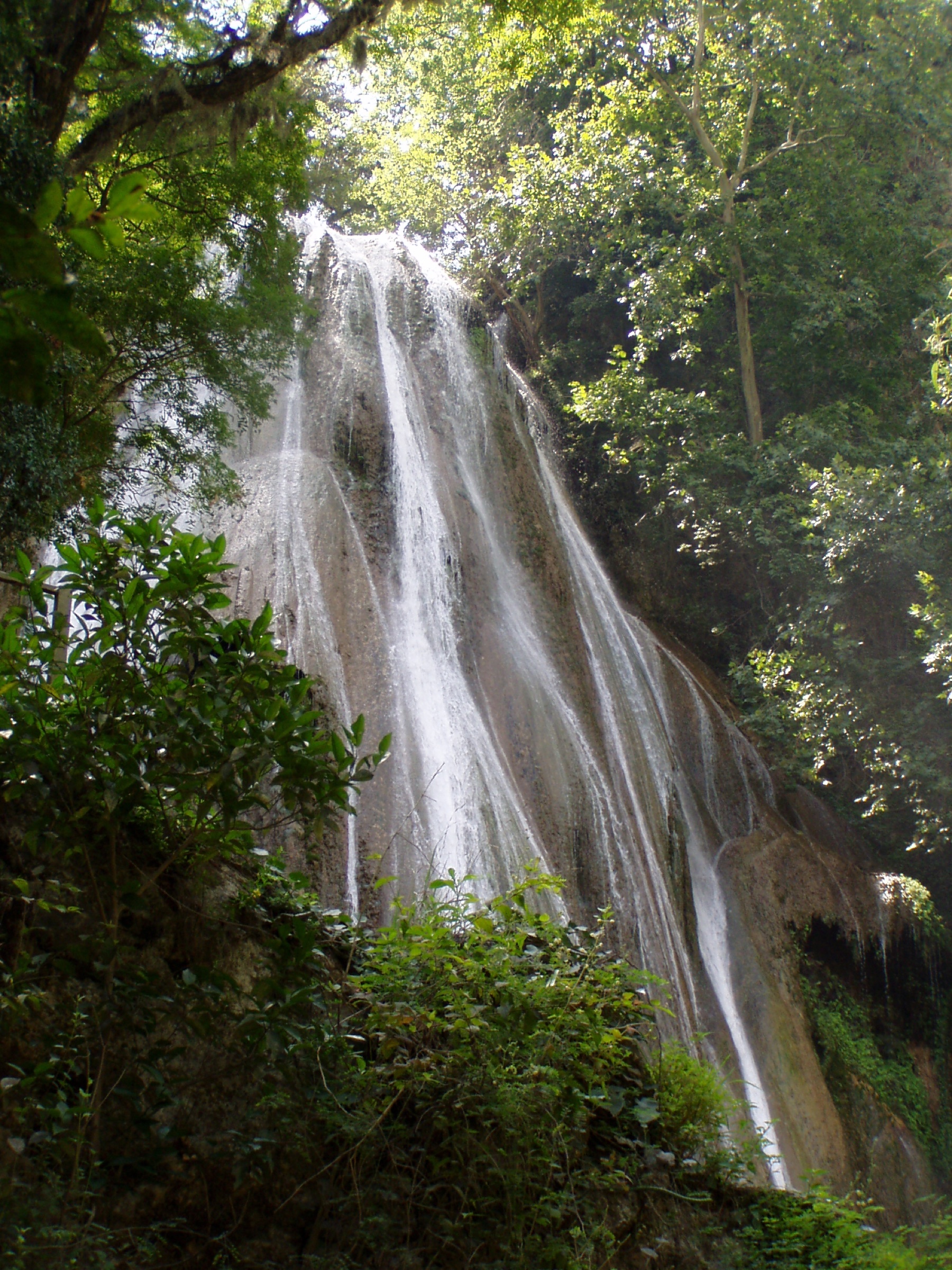
If you plan to do any day trips — La Huasteca, Cola de Caballo, Grutas de García, Saltillo — you should rent a car. The day trips are technically reachable by tour or by Uber-with-a-long-meter, but the cost and inflexibility make a rental car the cleaner choice. Hertz, Avis, Sixt, and Europcar all operate at MTY; expect about forty dollars a day for a small car plus liability insurance.
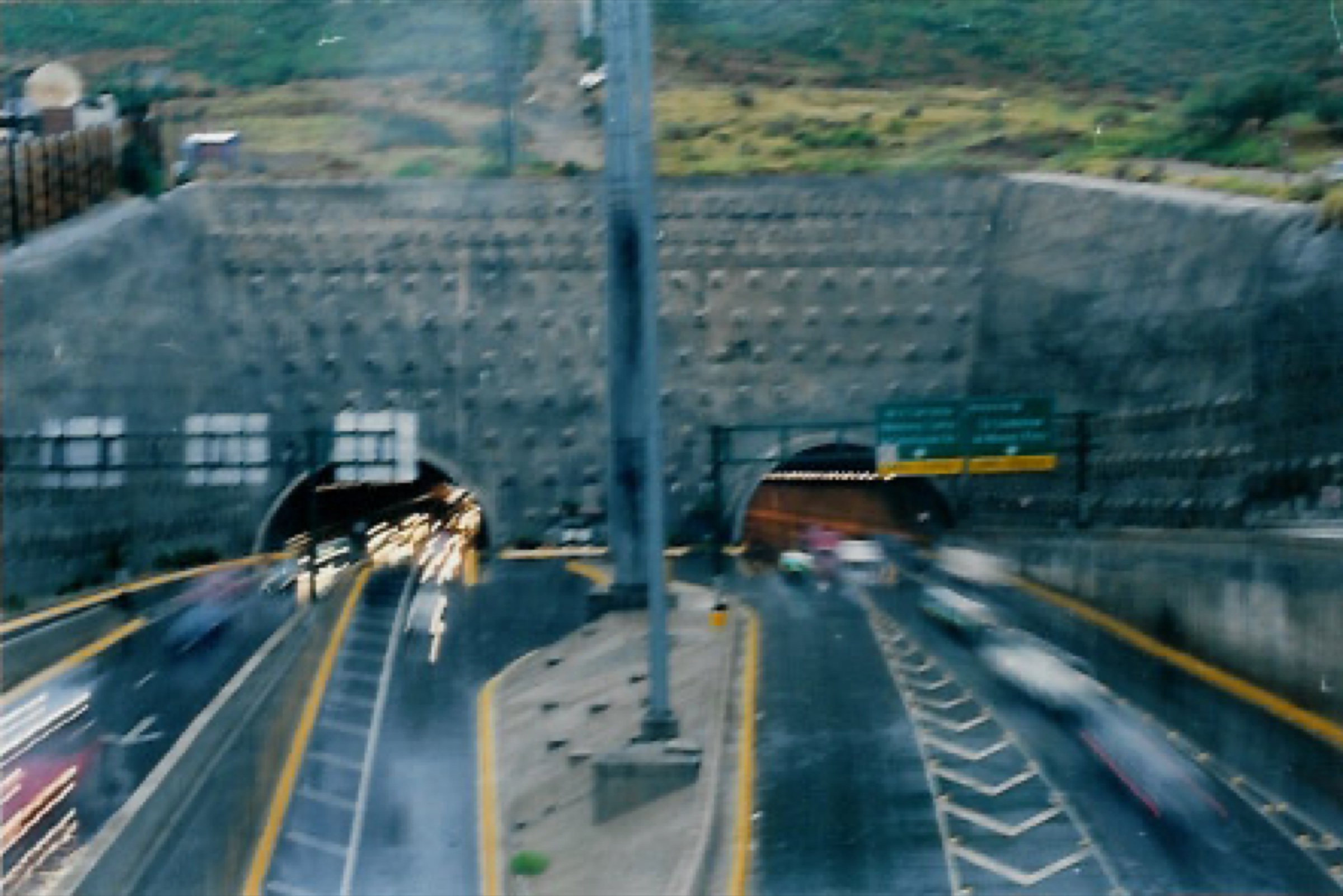
The Loma Larga tunnel, pictured above, is the main connector between San Pedro and the rest of the city. You will use it constantly. Toll: ten pesos. Take note of which lane is open in which direction at rush hour; the configuration changes.
For the Centro district — the cathedral, the Macroplaza, the Faro — macroplaza.mx has the orientation maps. For Barrio Antiguo’s grid and where the bars actually are, barrioantiguo.com.mx. For getting around the wider tourism network, monterreytourism.com.mx.
A note on the train
There is no passenger rail service from the U.S. to Monterrey, and the only intra-city rail is the Metrorrey light-rail system, which is useful if you are staying near a station but rarely matches Uber for the routes a tourist needs. The much-discussed Maya-Train-style network for northern Mexico has been in proposal form for a decade. Do not plan around it.