For a city of five million people, Monterrey’s geography is densely layered. The same physical place can have three names — a colonia, a municipality, and a colloquial district — and which one a person uses tells you something specific about who they are. This is the kind of small fluency that, after a few days, makes the city legible.
The municipalities
The metro is divided into nine municipalities. Most visitors only need three of them:
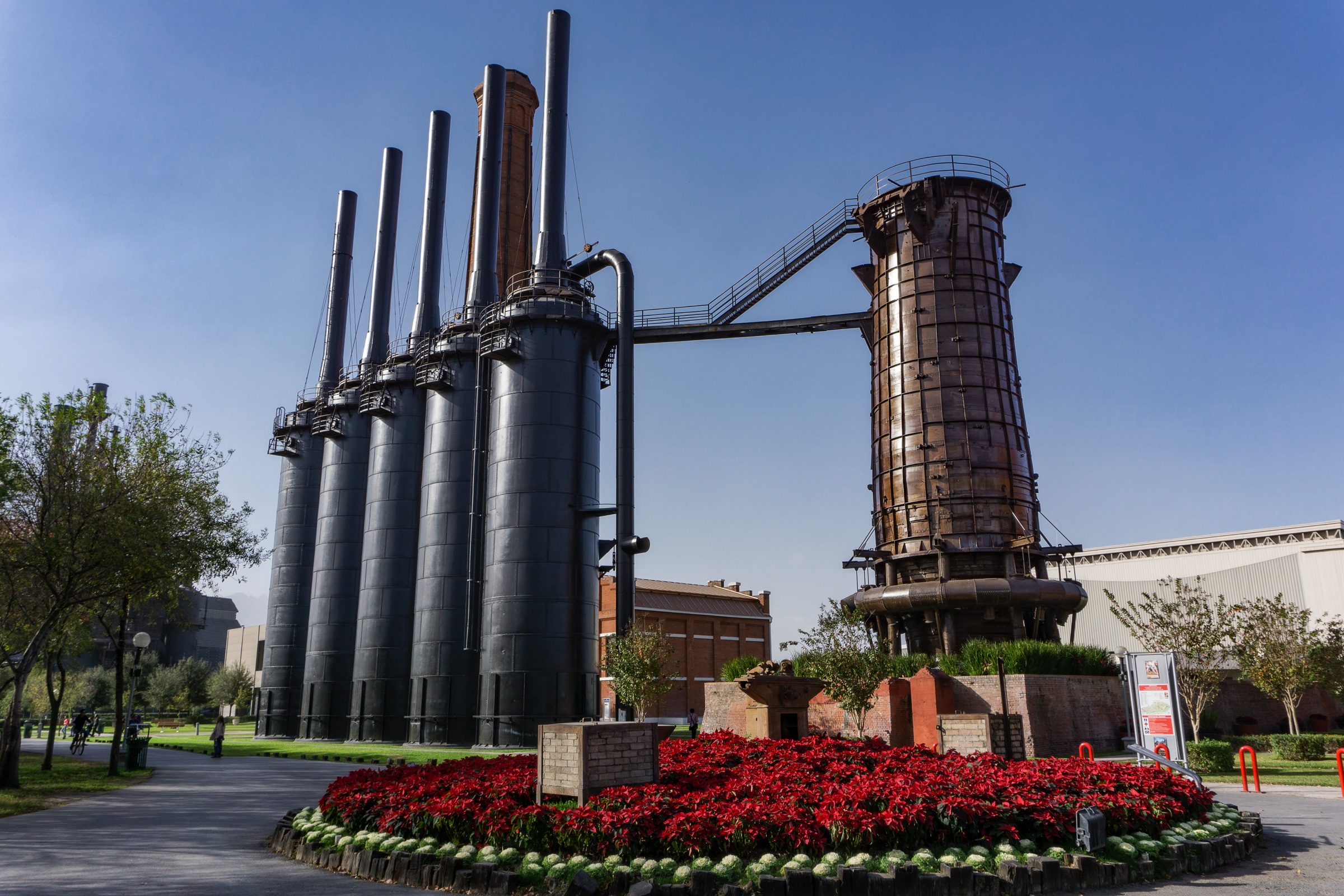
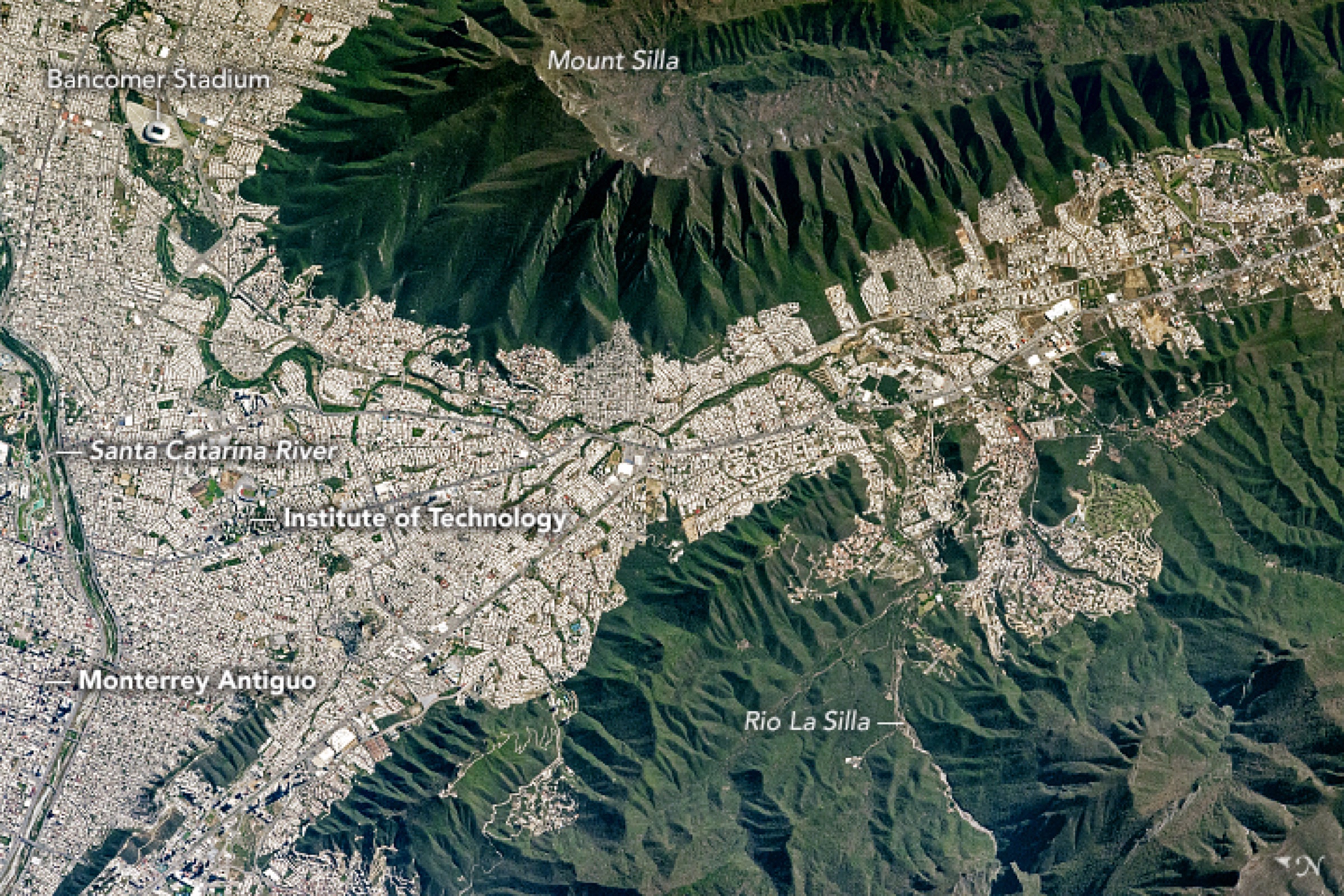
- Monterrey. The historic city. Includes Centro (downtown, the Macroplaza, the cathedral, Barrio Antiguo), and the older residential neighborhoods that grew up around Fundidora. The mayor of Monterrey runs Centro, but San Pedro has its own mayor.
- San Pedro Garza García. The wealthy western municipality where most visitors stay. Technically separate from Monterrey — its own mayor, its own police, its own development codes. When someone says they live “in San Pedro” they mean this municipality.
- Guadalupe. The eastern industrial municipality. Estadio BBVA (Rayados’ home stadium) is here. Most visitors only set foot in Guadalupe on the way to a game.
The other six — Apodaca, Escobedo, Santa Catarina, García, Juárez, San Nicolás — are operational rather than visited. The airport is in Apodaca. La Huasteca is in Santa Catarina. Most factories are in Apodaca, Escobedo, or San Nicolás. As a visitor you will pass through but rarely stop.
The signal in “San Pedro” versus “Garza García”
The full name of the municipality is San Pedro Garza García. People shorten it three ways and the choice matters:
- “San Pedro.” Used by residents, by Regios, and by anyone who lives there. Casual, local.
- “Garza García.” Used in formal contexts — legal documents, government, the news. Also occasionally used by older Regios.
- “San Pedro Garza García.” The full formal name. Used by Google Maps and on tax forms.
If someone introduces themselves and says they live “in Garza García,” they are subtly signaling distance from the local in-group — either they are older, formal, or new to the city. Locals say San Pedro.
The colonias inside San Pedro
Within San Pedro, the relevant subdivisions are:
- Sonata. The dense, walkable corridor near Calzada del Valle. Hotels, restaurants, the closest thing San Pedro has to a downtown.
- Calzada del Valle. Older, more residential, single-family homes along the parkway.
- Valle Oriente. The corporate-tower corridor — FEMSA, Cemex, the JW Marriott. Mall-adjacent.
- Del Valle. Upper-residential, on the flank of the Sierra Madre. Almost no commercial activity. The wealthiest streets are here.
- Lomas (de San Francisco, del Valle, etc.). Older established residential, still wealthy but quieter.
- Plaza Fátima. A small plaza near Sonata with a cluster of restaurants and cafes. A neighborhood in its own right.
If a restaurant is “in San Pedro,” that does not tell you much. Whether it is in Sonata or Valle Oriente changes how you get there — Sonata is walkable, Valle Oriente is not.
The block-by-block guides at sanpedrogarza.com and valleoriente.com are useful for first-time visitors trying to understand what is where.
The colonias inside Monterrey proper
Beyond Centro and Barrio Antiguo, the names most worth knowing are:
- Cumbres. Originally a residential expansion in the 1980s and 90s, now a sprawling family-oriented area with several sub-numbers (1er Sector, 2do Sector, Cumbres Elite, etc.). Middle and upper-middle class.
- Contry. An older established residential area east of the river. Historically considered the comfortable middle-class default.
- Mitras. Older, working-class roots, gentrifying in parts.
- Independencia. One of the original neighborhoods that grew up around Fundidora. Historic working-class, dense, currently being studied for various redevelopment projects.
- Topo Chico. The neighborhood the soda is named after — the spring is in the foothills of Cerro del Topo Chico, to the northwest.
How to give and receive directions
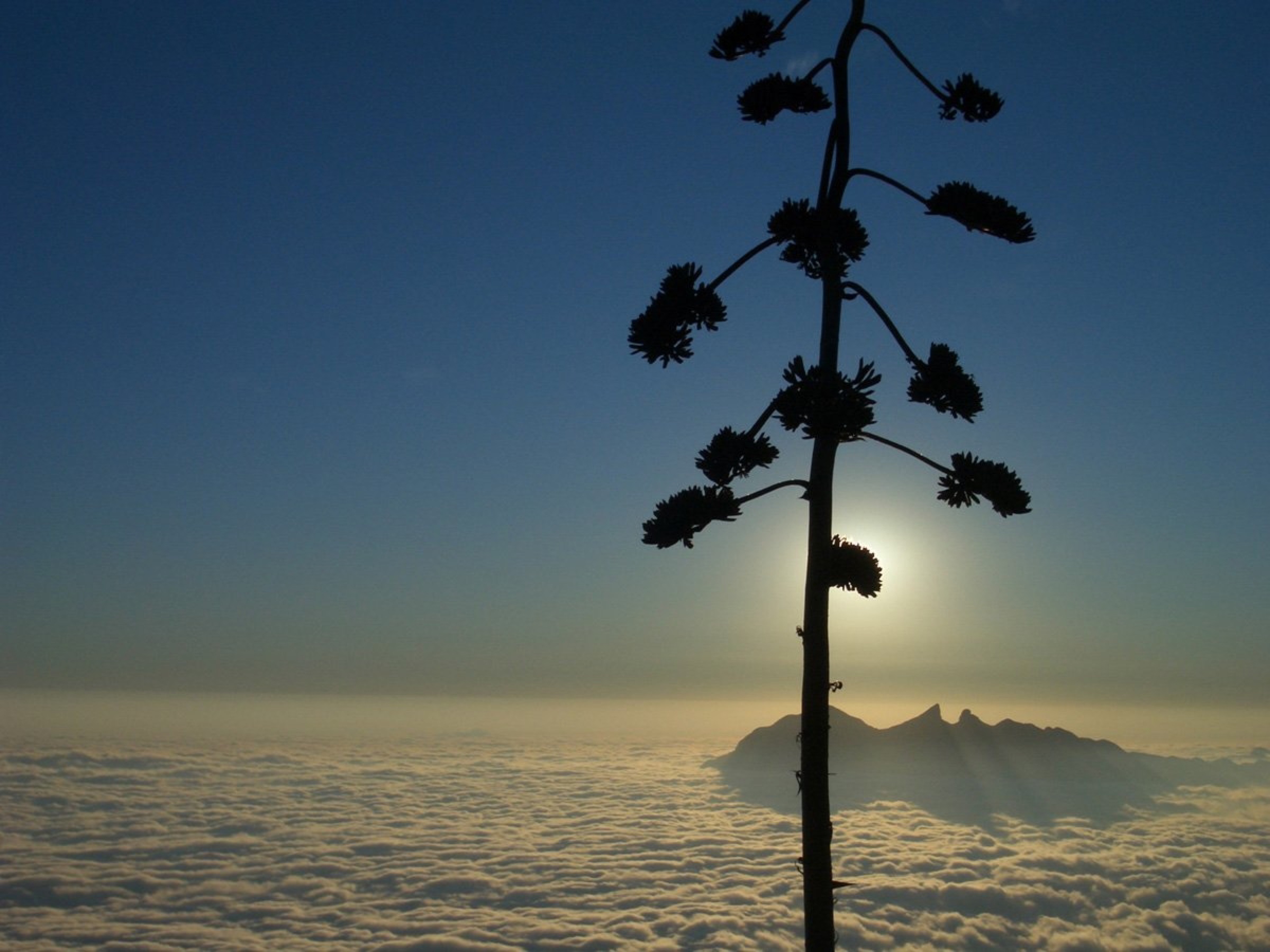
Regios orient by Cerro de la Silla. “Norte” toward the saddle is anywhere east-facing in San Pedro and anywhere west-facing in Apodaca, which is internally inconsistent in the way that “uptown” in New York is. People will say “atrás del cerro” (behind the saddle) to mean anywhere east of the city. “Por la sierra” means up against the southern wall, the upper part of San Pedro. “Por el centro” means central Monterrey.
The most useful Uber pickup convention is to give the cross-streets, not the address. If a restaurant is on Calzada del Valle, you say “Calzada del Valle y Vasconcelos.” This is how the system actually works in practice.