Monterrey is one of the two cities in Mexico with two major-league football clubs in the same metro — the other is Mexico City. The two teams — Rayados (CF Monterrey) and Tigres (UANL) — are roughly equal in resources, rivalry, and fan intensity, and their twice-a-year derby, the Clásico Regio, is the single most significant social event on the Monterrey calendar. Picking a side is not optional for residents. As a visitor, you can stay neutral, but you should understand what the choice signals.
What each team is
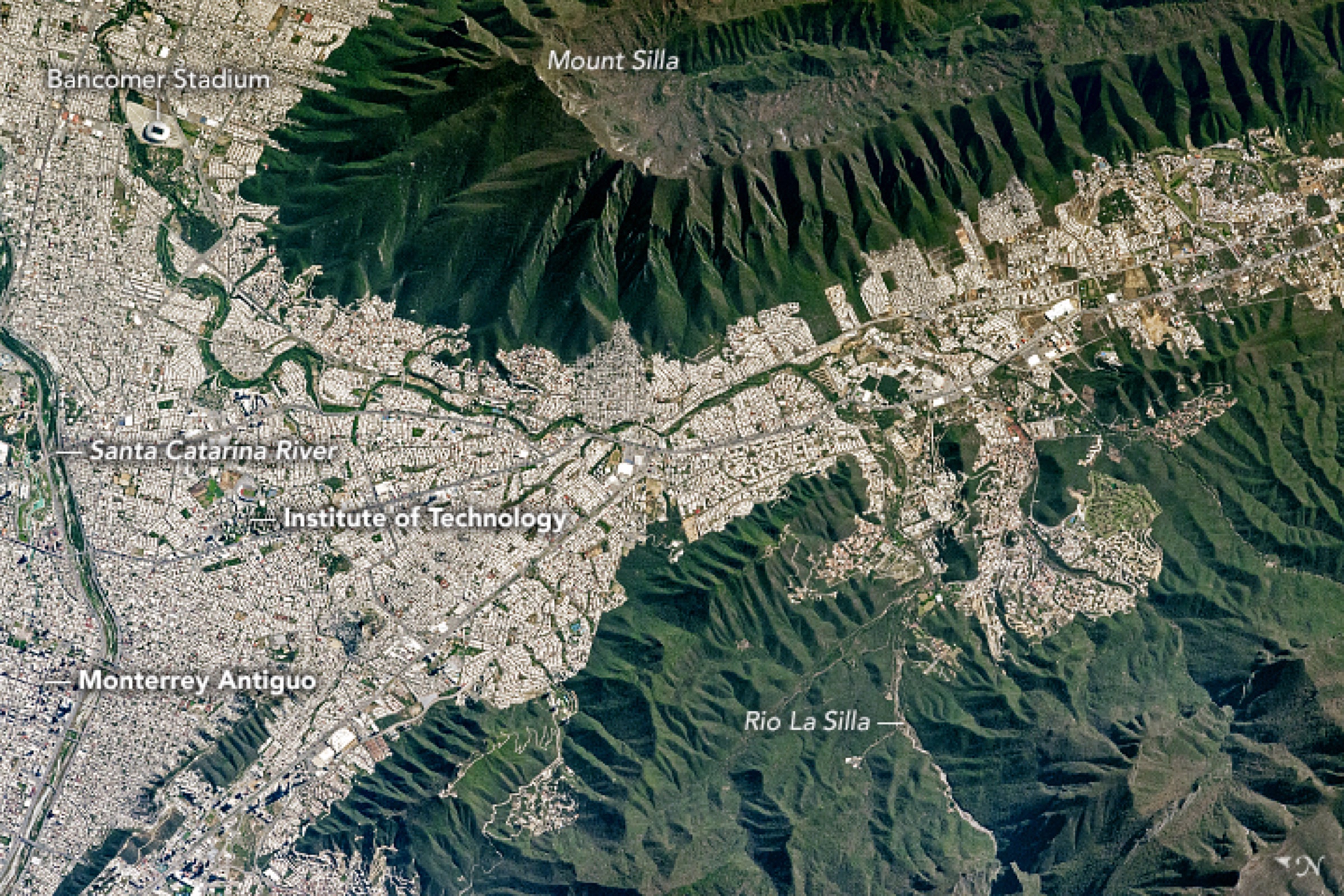
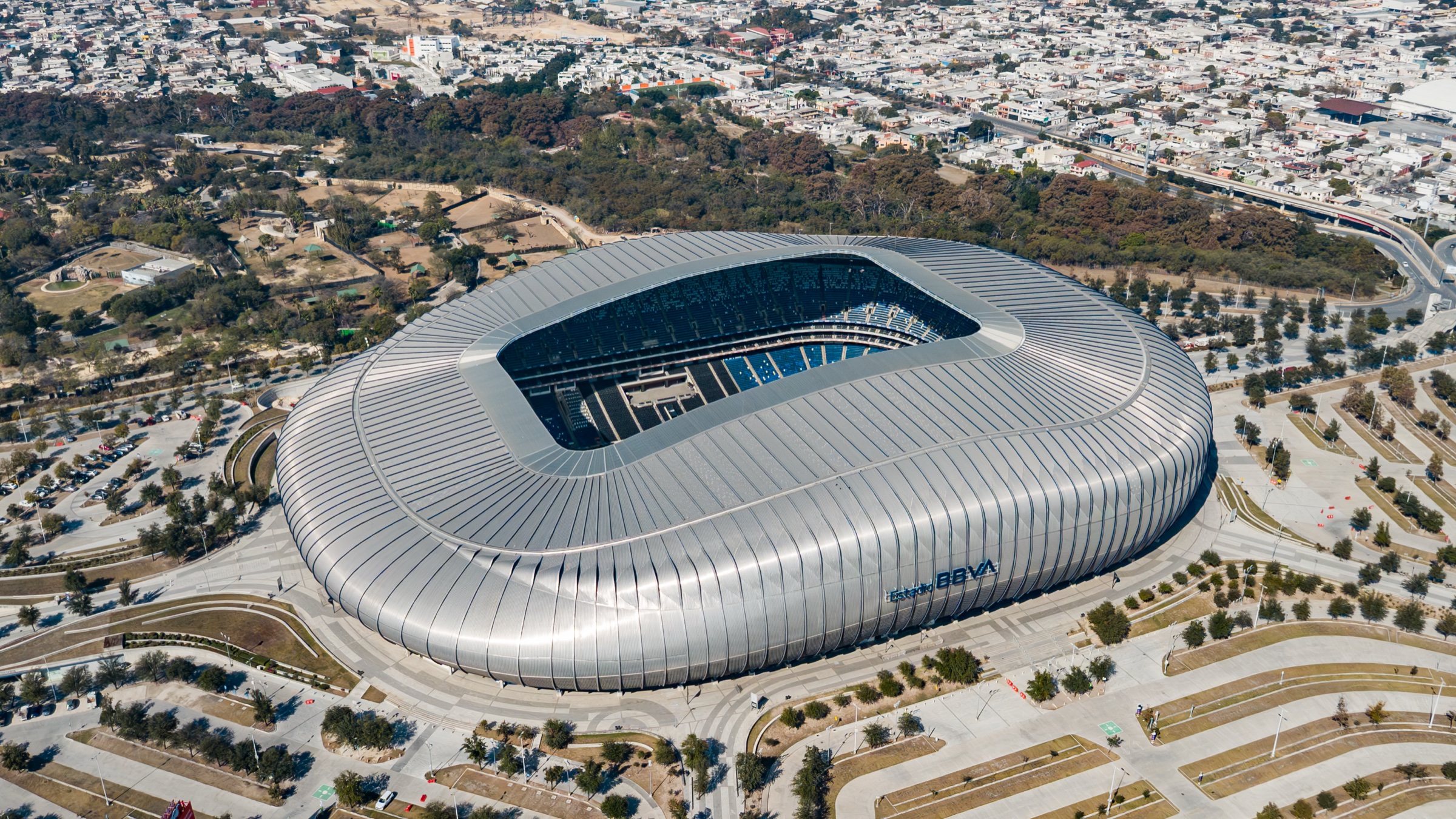
Rayados (CF Monterrey, founded 1945) is the older, privately-owned club. Owned by Grupo FEMSA — the Garza family’s holding company — and historically positioned as the establishment team. Plays at Estadio BBVA, a striking modern stadium in Guadalupe with Cerro de la Silla framed in the open south end. Six-time Liga MX champion, five-time CONCACAF Champions League winner. Fans wear blue and white.
Tigres (Tigres UANL, founded 1960) is the university-affiliated club — the “U” in UANL is the public Universidad Autónoma de Nuevo León. Plays at Estadio Universitario in San Nicolás. Owned by Cemex, which is also a Monterrey company, so the “corporate vs. university” framing is more cultural than literal. Eight-time Liga MX champion. Fans wear yellow.
The class division (or what people will tell you it is)
The folk story about the rivalry maps it onto class: Rayados is the team of San Pedro and the old industrial families; Tigres is the team of the working-class neighborhoods that grew up around the public university. This is roughly accurate in broad strokes but breaks down on close inspection. Tigres’s ownership is fully corporate. Rayados has plenty of working-class fans. Both sides will claim the underdog narrative depending on the week.
What is more honest: the rivalry maps onto where you went to school. Tec de Monterrey alumni and their families lean Rayados. UANL alumni lean Tigres. Almost everyone who went to a private school is Rayados; almost everyone who went to the public university is Tigres. If you ask someone “Rayados or Tigres” in a social setting and they pause too long, it is because they are calculating something about their family.
Going to a game
If you are in town for a weekend during the Liga MX season (roughly July through May with breaks), going to a game is genuinely one of the best things to do. The atmosphere at Estadio BBVA is among the best in the Western Hemisphere — the south end behind the goal stays standing for most of the match, the chants are coordinated and constant, and the architecture frames Cerro de la Silla in the open horizon at sunset.
Tickets are easier to get than in Europe or Argentina but harder than the NBA or NHL. Buy through the club’s official site or Ticketmaster Mexico. Avoid scalpers. Arrive an hour early. Sit in the side stands the first time — the south end is intense, sometimes physical, and is the wrong place for a first visit.
The Clásico
The two Clásicos Regios — one home and home each season — are the events. Restaurants empty in the hour before kickoff. The city goes quiet. Bars stack monitors and turn down the air conditioning. The bars in Barrio Antiguo are good places to watch if you do not have a ticket. The bars in Sonata are easier and more polished.
If a Clásico is during your visit, plan around it. Make a reservation somewhere that has it on. Do not try to drive across the city in the half-hour after a result; the traffic will be impossible.
Baseball, briefly
There is also a baseball team — Sultanes de Monterrey — that plays in the Mexican League, the summer-fall season opposite Liga MX. Estadio de Béisbol Monterrey is a charming mid-size park near Fundidora. The atmosphere is different: more families, more michelada vendors, less coordinated chanting. If you are in town between April and September, a Sultanes game is a quieter, easier option than the football clubs.
What a visitor should actually do
Pick a side based on whom you are seeing in the city. If your hosts are Rayados fans, wear blue. If they are Tigres fans, wear yellow. If you are alone and have no allegiance, lean Rayados — the stadium is more visually striking and the seats are easier to get. Either way, the actual football experience is excellent and will reframe how you think about Latin American sport.
The one rule that is unambiguous: do not wear the wrong colors to the wrong stadium. This is true in every football culture; Monterrey is no exception.